From an early age, Ambika Vishwanath learnt that water shortages aren’t just a risk, but a daily reality.
An Indian Expert’s Mission in Australia
“I grew up in Madras, which is in southern India, where we had water cuts every summer. So the value of water is something I think I’ve known my entire life,” she said.
That experience has underpinned a lifelong interest in so-called ‘non-traditional security issues’. For nearly two decades, Vishwanath has turned environmental challenges, including water scarcity and climate change, into foreign policy priorities.
It’s also led her to co-found the Kubernein Initiative, an India-based female-led think tank exploring the overlooked intersections between traditional and non-traditional security. And, now as a Maitri Fellow, she’s bringing that expertise to Australia.
A Fellowship with real-world reach
During her 15-month Fellowship, supported by the Centre for Australia-India Relations, Vishwanath has investigated how India and Australia can work together from a climate and security perspective in the Pacific region.
“How can they collaborate better? How can they look at climate resilience and its interplay with long-term security? And how can they work together with the partners in the Pacific region?” she said.
Vishwanath says this is an under-explored area, but vital to the Indo-Pacific’s future.

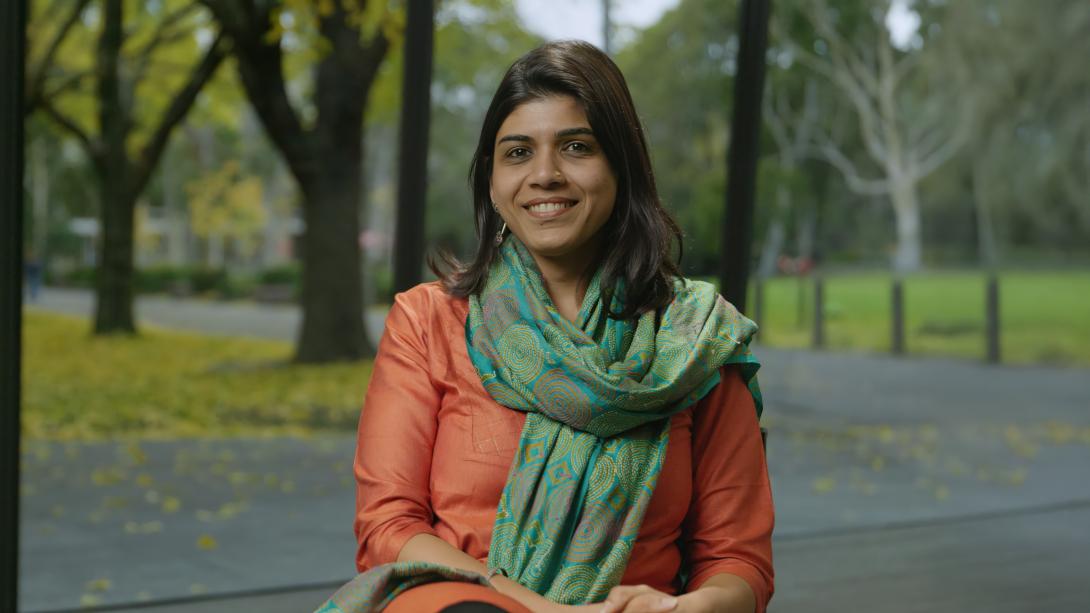
Vishwanath is doing her Fellowship at La Trobe Asia, a hub renowned for pioneering Asian Studies in Australia and promoting public understanding of the region.
La Trobe Asia’s director, Bec Strating, says Vishwanath’s contributions have been invaluable.
“She has a huge range of experience, not just in research, but in the more diplomatic elements of what we do, in terms of engaging with policy networks and government and being able to bring people together, people who might work in policy, in government, in academia,” she said.
Since arriving, Vishwanath has given public lectures, appeared in media, and even gone on field trips in the Pacific, including to Fiji and the Solomon Islands.
Raising ‘India literacy’ in Australia
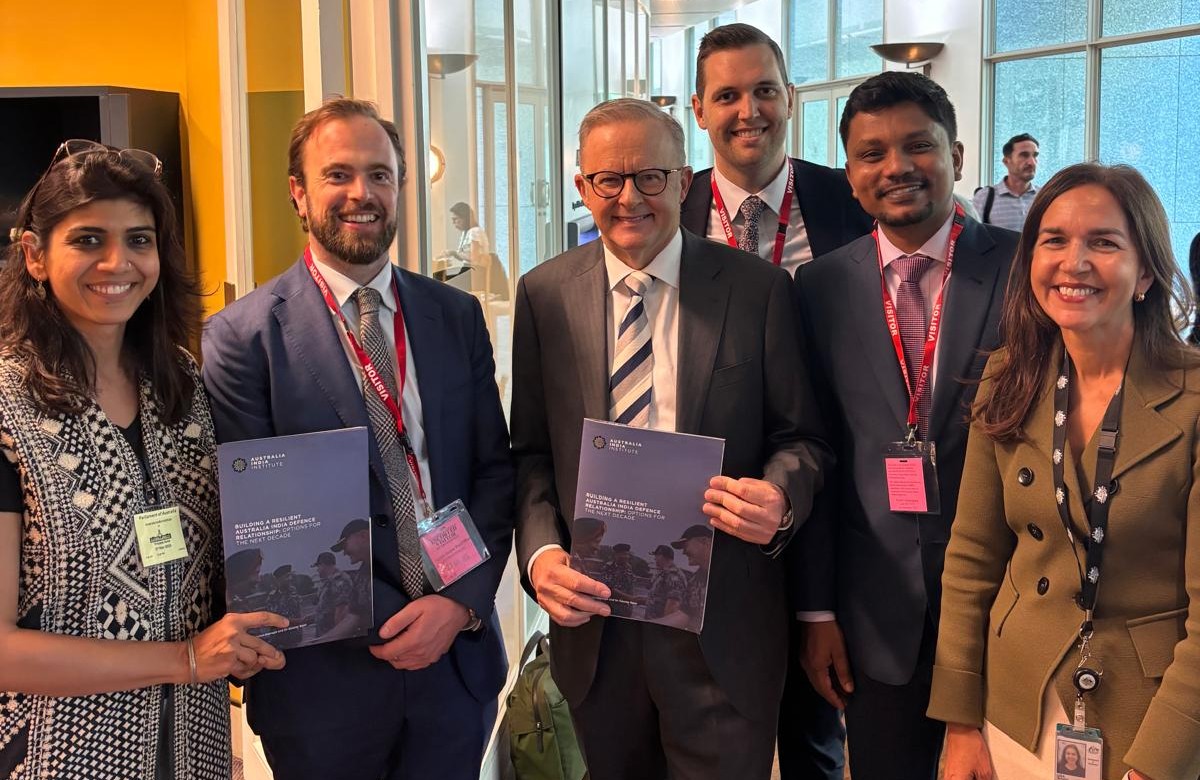
Part of Vishwanath’s mission is raising what she calls “India literacy” in Australia. While many Australians are familiar with India’s food and culture, knowledge of its foreign policy and security role is far thinner.
“When it comes understanding India's engagement globally [and] in the Pacific, that's definitely not as high outside of typical academic or think tank circles,” she said.
The Fellowship has even offered Vishwanath herself a new vantage point to view India.
“For almost just over the past decade, I'd been living in India,” she said. “It was a nice opportunity for me personally and in my career to step outside of India again, to look at the country from a different lens, but also to grow this relationship, which I think is possibly a very important one,” she said.
On the broader Australia-India relationship, Vishwanath feels optimistic. With 2025 marking five years since the two countries’ Comprehensive Strategic Partnership was established, she sees “a new, exciting friendship that … has nowhere to go but up.”
Strating agrees: “There has definitely been, on both sides, the political will and effort to deepen cooperation between the two countries.”
Beyond academia
Vishwanath’s time in Australia hasn’t been all policy papers. Friendships have flourished at La Trobe Asia, with Strating’s family even hosting Vishwanath and her husband during their stay in Melbourne.
“I actually took them to an AFL football match with my team, St Kilda, and many members of my extended family who are all mad St Kilda supporters,” Strating recalled. “We didn't beat Carlton, but it was a cultural experience.”
Ambika laughed. “I’ve been to the G, the tennis, even the footy, including travelling to some very cool parts of the country. That’s something you can only do when you’re here – and it’s a really fun way to get to know people.”