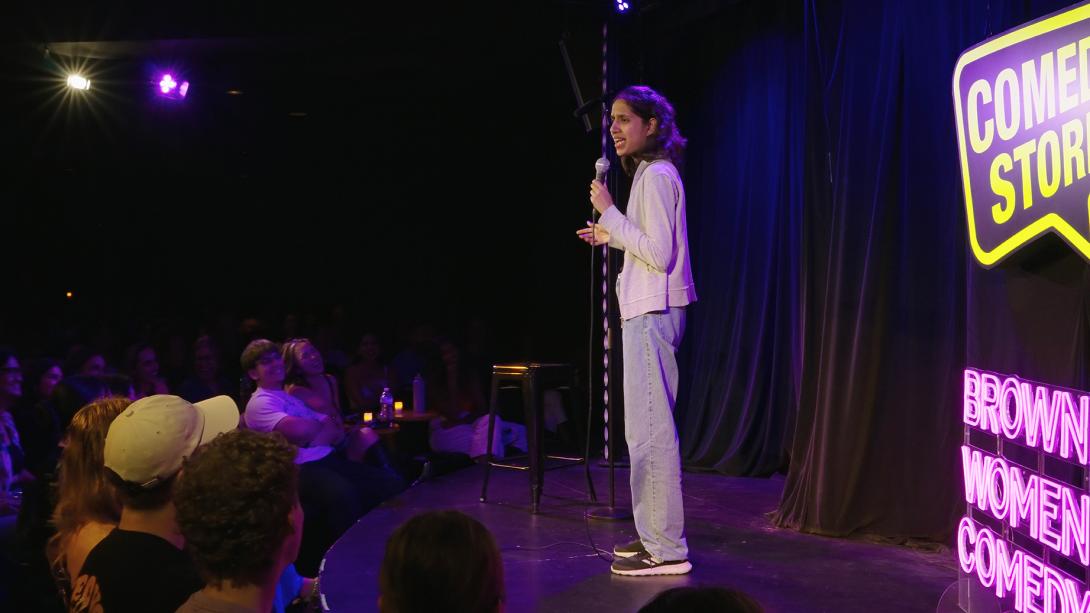
Maan founded Brown Women Comedy in 2021, her journey started with modest community shows but rapidly expanded. More than 4,000 people have now attended Brown Women Comedy performances.
"Comedy allows us to talk openly about things we’d normally hide," Maan said. She explained that the Hindi/Urdu word "besharam”, meaning “shameless” which might be used negatively towards women in South Asian communities, is now embraced proudly by the performers. "It’s empowering to stand up and own your story without fear or shame."

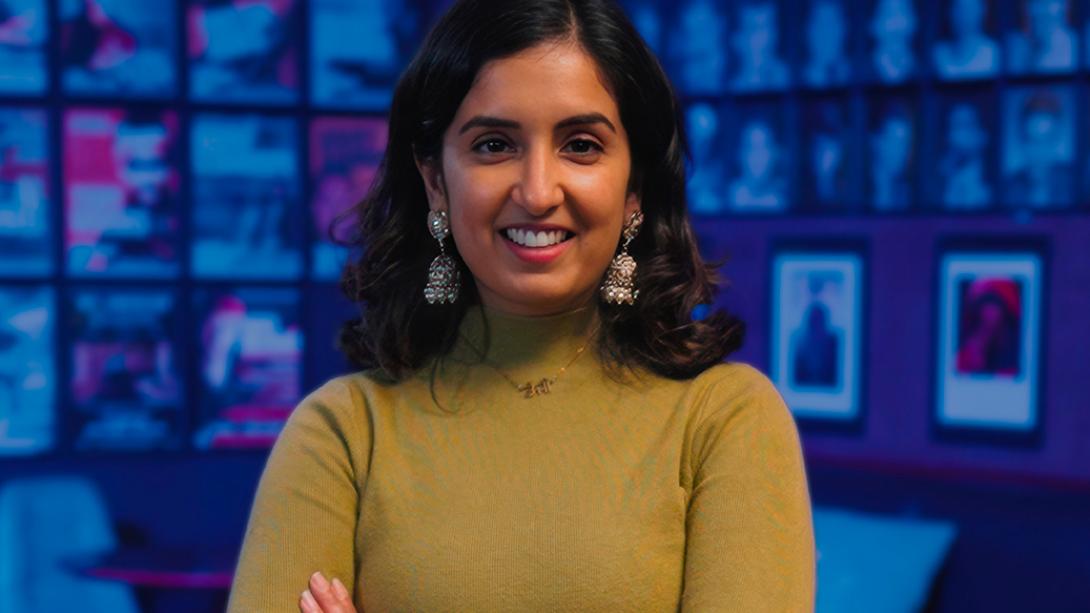
Most attendees are women, many of whom particularly resonate with Maan’s comedic take on family dynamics. One popular line from her set captures this perfectly: "I feel like in my family, the boys are going to inherit all the property, wealth, and assets, while we girls, we're going to inherit superstitions.”
International Collaboration and Support
This year, with support from the Centre for Australia-India Relations under its Maitri grants program, Brown Women Comedy expanded further, featuring prominent comedians from India at major Australian gigs, including the Melbourne International Comedy Festival. Later this year, the show will tour India, bringing Australian and Indian comedians together on stages across Chandigarh, Delhi, Mumbai, and Bangalore.
Indian comedian Niv Prakasam enjoyed performing to a new audience.
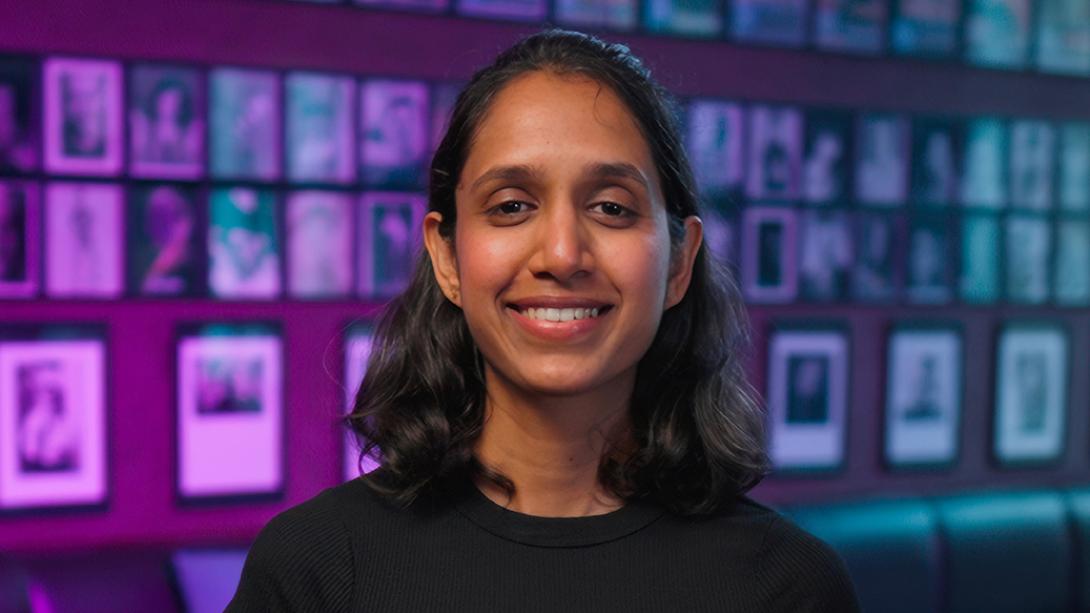
Prakasam’s first visit to Australia provided plenty of fresh material for her set. "I've had a bit of a culture shock since I came here because you actually follow road rules. You have signals for pedestrians, and if you don't follow that signal, it's called jaywalking. I'm jaywalking all over Mumbai, actually!"

Comedy as Social Commentary
Prakasam believes comedy can play a major role in challenging social inequalities and deepening understanding of diverse perspectives. Her performances often highlight gender issues. "Comedy pushes boundaries and makes life easier for South Asian women everywhere," she said.
Fellow comedian Ramya Ramapriya from Bengaluru turned to comedy during a challenging personal period. "I started stand-up to overcome depression and stage fright," she recalled.
Motherhood now heavily influences her material.
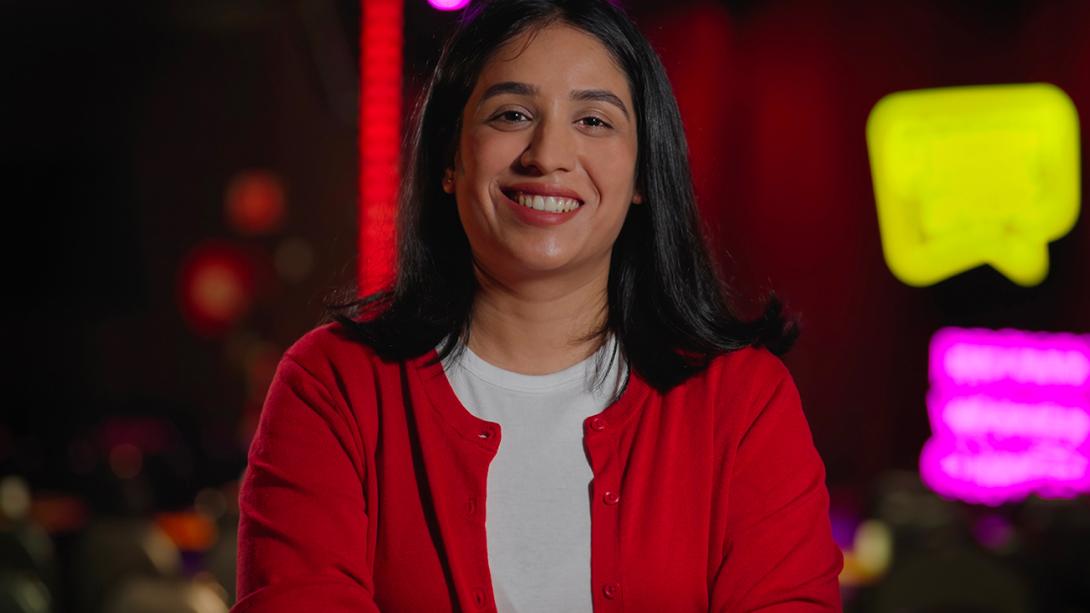
She begins her set by revealing: "I have a two-year-old. It just means that I've been tired for three years. And I'm the only one who has a kid in my friends’ circle. So all my friends ask me, 'Oh my God, how is it being a mum?' Not because they care about me—they just want to know if they can do it!"
Ramapriya argues that diversity on stage is not merely symbolic but essential. "When you see someone on stage whose life mirrors yours, it affirms your experiences. It tells you that you’re not alone," she said.
In a landscape often dominated by male voices, Brown Women Comedy is breaking new ground. Through laughter, storytelling, and cultural connection, the show’s impact extends far beyond the theatre.
"Comedy lets us address difficult issues more freely," Maan said. "It’s liberating for both the performers and the audience."
In breaking down barriers, the show perfectly embodies the spirit of "maitri" (friendship) that lies at the heart of Australia-India relations, fostering genuine people-to-people connections through the universal language of humour.